Why be induced?

“Induction: a word that can incite strong feelings in either direction for pregnant women. Maybe you brought the topic up to your doctor, maybe she brought it up to you. The idea of being induced and meeting your baby sooner may sound exciting (not to mention the relief of not being pregnant anymore!). Or maybe you feel scared at the prospect of an induction replacing the natural birth you pictured yourself having. Let’s talk over the reasons you might be induced, plus a well-known research study called the ARRIVE trial about whether to induce a healthy pregnancy at 39 weeks.”

Read more at Natural Womanhood.

Too much estrogen: The risks women on the birth control patch need to know about   

“Though not as well known as the Pill or the IUD, the birth control patch is often touted as a good option for women who have trouble remembering to take a daily pill but do not want the more invasive hormonal or copper IUD. Around ten percent of women report that they’ve used the patch to prevent pregnancy, and that percentage has ticked up slowly over the past twenty years. What makes the birth control patch different from other forms of hormonal birth control? And is it really a good option for pregnancy prevention, or could it’s estrogen-related side effects actually cause more harm than good?”

Read more at Natural Womanhood.

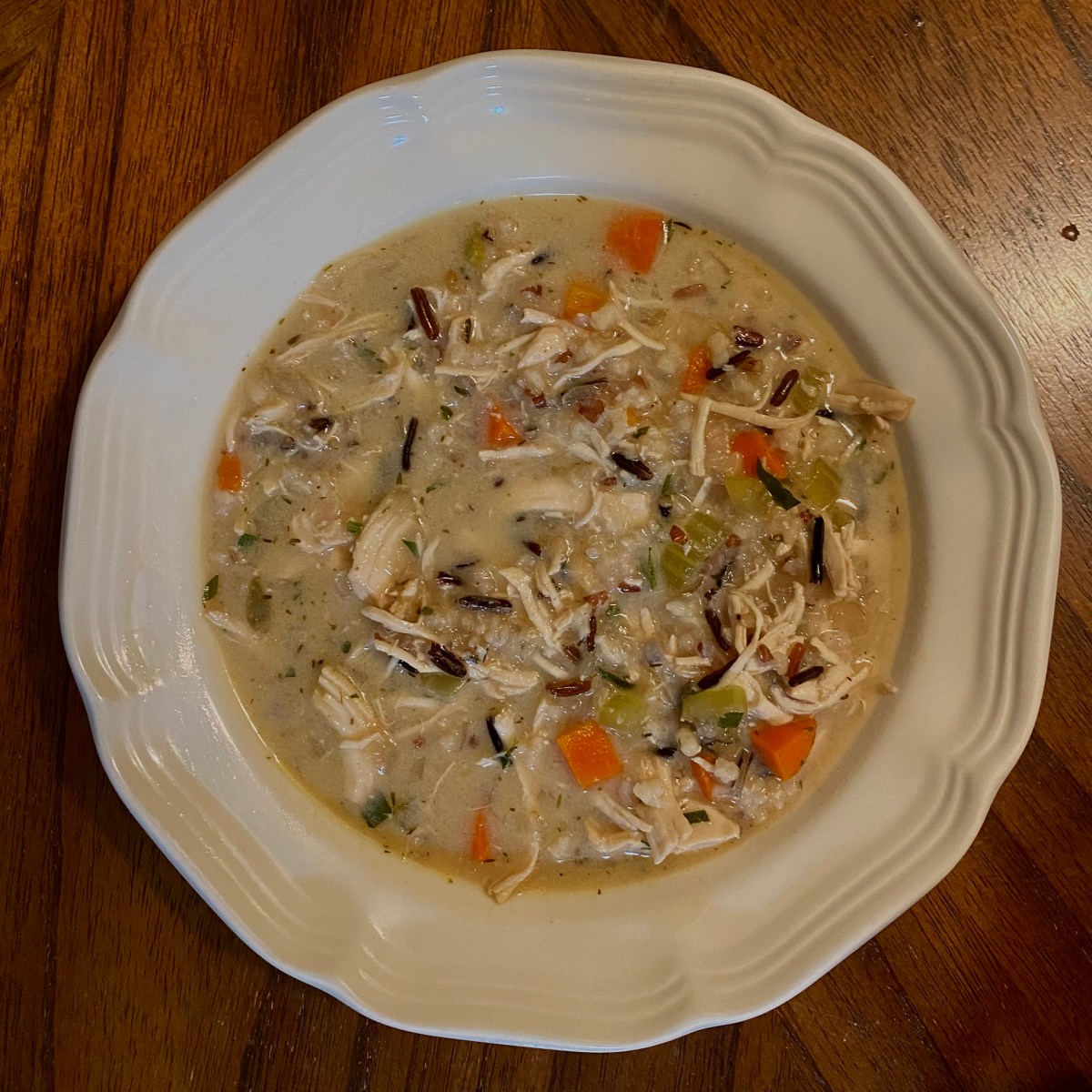
Recipe: Creamy Chicken and Wild Rice Soup

The temperatures have swung to below freezing here in South Texas, so what could be better than a comforting bowl of soup? Although I don’t normally publish recipes here, I thought it might be fun to share some of the meals that are loved by all members of my family (including our toddler).

This chicken soup is not only cozy on a cold winter day, but is nourishing and largely works with ingredients most home cooks keep regularly stocked. It’s a healthier version of the classic chicken noodle soup, and (dare I say) tastier too. This recipe also produces a large pot of soup, which is my preference, as soup can be time-consuming to make and it serves as wonderful leftovers. You can also freeze the soup and reheat later for a quick meal.

Recipe makes 12-15 servings.

Ingredients:

  • 1 large onion, diced
  • 5 ribs of celery, diced
  • 4 large carrots, diced
  • 5 cloves of garlic, minced
  • 1 tbsp dried thyme
  • 1 tsp dried sage
  • 1 tsp white pepper
  • 1/2 c dry white wine
  • 3 lemons (zest and juice)
  • 2 c wild rice (soaked)
  • 3 qt chicken stock
  • 3 lb chicken breast (or thigh), cut into 2 inch pieces
  • 1/2 c cream or half and half
  • small bunch of parsley, chopped
  • salt & pepper to taste

Steps:

  1. At least three hours before cooking (preferably the night before), add the wild rice to a container and cover with filtered water. Add a tablespoon of something fermented to the rice and water, such as apple cider vinegar, yogurt whey, kefir, or sauerkraut brine. This soaking process allows the rice to be more easily digested — read more here.
  2. Sauté the onion, carrot, and celery until soft. Salt and pepper the vegetables well, then add the dried seasonings (thyme, sage, and white pepper). Cook for another minute, then add minced garlic and cook until fragrant.
  3. Add white wine and cook for about a minute, or until the alcohol smell dissipates. Then, zest and juice three lemons and stir into the pot.
  4. Rinse and drain the soaked wild rice, then add to the pot and sauté for one minute.
  5. Add the chicken broth and bring to a simmer. Once the soup is simmering, add the large pieces of chicken and stir to combine. Cover the lid and let simmer for 15-25 minutes.
  6. Allow the chicken to cook in the soup until it’s finished, then remove and put into a large mixing bowl. Shred the chicken (my favorite method is using a hand mixer), then add the chicken back into the pot.
  7. Turn off the stove then add the parsley and cream (or half and half). Taste for seasoning, add more salt if preferred.
  8. Enjoy hot with a piece of fresh bread or just on its own!
Do female athletes perform worse during their periods?: How the menstrual cycle impacts athletic performance

“I don’t think I performed very well today,” Fu Yuanhaui, Chinese Olympic swimmer, said in her post-swim interview at the 2016 Rio Olympics. “It’s because my period came yesterday, so I felt particularly tired — but this isn’t an excuse, I still didn’t swim well enough.” 

Female athletes in all arenas of sport might be able to relate to Yuanhaui’s sentiments. Many women believe their athletic performance is worse during their periods due to symptoms like cramps, headaches, or fatigue.”

Read more at Natural Womanhood.

How can sports respect the female body?: A response to TIME magazine, Part II

“I previously addressed a TIME magazine article arguing that modern sports weren’t designed for the female body, especially the adolescent female body. Author and elite female athlete Lauren Fleshman spelled out the health risks girls and young women in particular may face because athletic competition doesn’t take into account their female design. So what’s the solution? How can sports respect the female body?”

Read more at Natural Womanhood.

Sports and the female body: A response to TIME magazine, Part I

TIME Magazine: Sports weren’t designed for the female body because they require female athletes to “fight their body’s natural development”

In her TIME article, Fleshman describes how adolescent girls experience a temporary dip in their athletic performance when they begin puberty. This occurs because their bodies shift energy towards sexual development during this crucial period. Adolescent boys do not experience this same dip, and also do not have the natural “softness” that a girl going through puberty can expect to develop.”

Read more at Natural Womanhood.

Teens and sex: Why the risks and side effects of birth control can be especially bad for teens

“According to a 2017-2019 survey from the Centers for Disease Control and Prevention (CDC), around a quarter of girls aged 15-19 are on some form of hormonal birth control, and the vast majority are on the Pill. This number has increased over time, despite the fact that fewer teens are having sex (or getting pregnant) now than ever before. Many girls choose to take birth control for reasons other than preventing pregnancy, such as for painful and irregular periods or in order to take acne medication like Accutane. But what these young women don’t know could hurt them—teens may be at higher risk than adult women of experiencing birth control side effects.”

Read more at Natural Womanhood.

Heavy metals exposure might be connected to endometriosis

“Endometriosis, a reproductive disorder that affects around 89 million women worldwide, can cause debilitating symptoms that lead sufferers to question “why is this happening to me?” Though there is no definitive cause nor cure for endometriosis, research has uncovered multiple potential contributing factors. A new body of research is examining a possible connection between the development of endometriosis and heavy metals exposure. ”

Read the rest at Natural Womanhood.

Teens and sex: Rescuing a generation—how abstinence and the Success Sequence can help Gen Z experience long-term success and fulfillment

“In part I of our teens and sex series, I explained why teens have less sex now than in decades past. Now that we grasp the extent of the problem, what can we do? With destructive technologies taking the place of destructive casual sex, how exactly can Gen-Z improve their mental health and achieve success as they move into adulthood? The answer lies in the culture: we must discourage both teen sex and technology overuse, and instead urge teens to spend their middle and high school years focused on creating deep and meaningful friendships with their peers.”

Read part two of my article on teen sex and mental health at Natural Womanhood.